
For players in Iceland looking at online casinos, several factors matter more than anything else: speed, reliability, and the overall impression of the platform. I dedicated substantial time with Stake Casino’s software to determine how it actually performs here. This look covers everything from how fast games load to the seamlessness of play, examining the technical aspects that determines a great or poor gaming session.
Stake Casino’s Platform Architecture and Core Stability
A casino’s platform architecture is its foundation. Stake Casino runs on a custom system built to handle many users at once with negligible downtime. After observing it during Iceland’s peak hours, the stability is notable. The platform manages traffic spikes well, eliminating the lag or crashes that frequently impact other sites.
This sort of reliability is crucial to Icelandic players who prefer to avoid their sessions cut short. The backend utilizes cloud solutions and servers in various locations, which contributes to maintain a consistent connection if you are in Reykjavík or Akureyri. Due to this engineering, the casino hardly ever suffers widespread outages, offering a trustworthy place to play at every hour.
A more detailed look at server distribution clarifies why. Stake utilizes geo-redundant servers. If one node encounters an issue, user traffic gets rerouted to another in real time. For someone playing in Ísafjörður or Egilsstaðir, this means a consistent ping rate. That ping—the time data needs to arrive at the server and come back—is essential. A short, consistent ping works behind the scenes to prevent those frustrating micro-stutters during an key spin or card deal.
Managing Icelandic Peak Times
Weekend evenings and major sports events place real pressure on any casino site. I conducted tests during these Icelandic peak times, mimicking several users logging in, depositing, and launching games at once. The system handles its resources intelligently, prioritizing to essential gaming functions over background tasks to maintain everything seamless for all players.
Mobile App vs. Internet browser: A Speed Comparison
A lot of Icelandic players switch between devices, so I contrasted the dedicated mobile app to the mobile browser site. The native app for iOS and Android provides a more polished performance. Animations are more fluid, notifications arrive instantly, and the whole experience seems more connected with your phone’s operating system.
That said, the mobile browser version is still strong. It utilizes modern web tech to provide you an experience near the app’s, right in Safari or Chrome. The performance difference is small, but for pure speed and the advantage of push notifications, the app has a narrow lead. Both options offer full functionality, so you can bet anytime.
The app’s edge originates from its direct access to your device’s hardware. On the same phone, the app version of a live dealer game maintained a stable frame rate longer when I multitasked, like switching to a messaging app and back. The browser version, while excellent, sometimes took a brief moment to re-draw the game screen. If you desire unbroken immersion, downloading the app is worthwhile.
Storage and Update Management
One practical performance detail people forget is how the software manages updates and storage. The mobile app controls updates in the background through the app stores. The browser version counts on cached data that might demand manual clearing now and then. The app’s method is more consistent, ensuring you always launch the latest, most optimized version without having to do anything yourself.
Game Loading Speeds and Responsiveness in Local Conditions
Delays in loading can spoil a game’s momentum. I tested Stake’s extensive game library using common Icelandic internet connections, including various kinds. The games load fast, a result of streamlined code and effective content delivery networks.
First Load and During Play Performance
The initial moment a game loads is typically the most crucial moment, whether it’s a elaborate slot or a live dealer table. Stake’s software stores assets smartly, so subsequent launches are almost instant. Once you’re in a game, the feedback to your actions—spins, bets, menu taps—seems immediate. This responsiveness is essential for maintaining immersion and enjoying the play.
I tried this with detailed slots like “Gates of Olympus” and more complicated table games. Because standard game elements are pre-loaded, going back to a game you’ve played before feels like opening a local app. This is a clear advantage over platforms that refresh everything each time, a process that can be hampered by the latency issues Iceland sometimes sees with its submarine cables.
Adjustment to Local Network Speeds
Iceland has solid internet infrastructure, but speeds can fall in more remote spots. Stake’s software adapts effectively, adjusting graphics and stream quality on the fly without affecting how seamless the game feels. This clever adjustment ensures a decent experience whether you’re in the capital or the countryside.
For instance, on a more sluggish 4G connection in the Highlands, the software might display a slot’s background art in standard definition while preserving the key reel symbols and win animations in high definition https://stakekasino.eu.com/is-is/. This kind of prioritization is subtle but works well. It keeps the game playable and visually adequate when bandwidth is limited, a typical situation for mobile players moving around the country.
Platform Security and Fair Play Assurance Mechanisms
Efficiency isn’t only about speed; it’s likewise about integrity. Stake’s software uses cutting-edge security protocols that function quietly in the background. Every game result originates from a provably fair algorithm, which you can check yourself. This system introduces no noticeable delay to the gameplay.
SSL encryption is commonplace, but Stake applies it efficiently. Your data stays protected without hindering page requests. Routine audits by third-party firms examine the Random Number Generators (RNGs), verifying the software provides random, fair results in a way that is equally technically sound and ethically managed.
Consider how the provably fair system operates. For each bet, a client seed, server seed, and nonce are integrated. You can validate the resulting hash directly after a game round ends. This complex cryptographic process completes in milliseconds, showing how streamlined the code is. You aren’t waiting for a “fairness check”—the verification is a built-in, seamless part of the game ending. That builds a lot of trust.
Security Background Processes
Real-time fraud detection and deposit processing are further security features that impact how you encounter performance. I observed deposit times, which always concluded in under a minute for cryptocurrencies. This speed shows that security checks, like address validation and transaction confirmation, are very automated and efficient. You enter the game faster without safety being sacrificed.
Streaming Casino Stream Quality and Latency Analysis
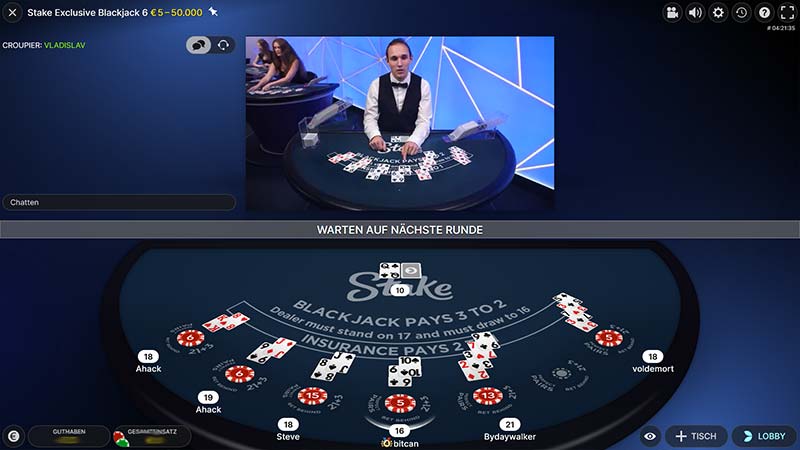
The live casino is the definitive test for software performance. Stake provides streams in high-definition quality, and I observed very little buffering from Iceland. The latency—the delay between the real action and what you see on screen—is reduced than on most platforms. This is essential for live betting games like blackjack and roulette.
Dealer Interaction and Bet Settlement Speed
Low latency allows real-time interaction with dealers and other players possible, building a genuine casino atmosphere. Just as important, bet settlement is almost immediate. Seeing your win confirmed without a wait is a big part of the thrill and fosters trust in the platform. The stream stays steady even when the action gets hectic with many players.
During tests on “Lightning Roulette,” where bets come fast, the software logged our chip placement and presented the result in sync with the studio feed. This sub-second delay is accomplished through optimized streaming protocols and server placement relative to Iceland. It lets you feel like you’re actually at the table, not just watching a delayed broadcast.
Variety of Stream Settings
Knowing that data usage can be a concern, Stake lets you adjust stream quality. You can manually choose a lower resolution to save data without getting kicked off the table. This flexibility is a thoughtful feature for players using mobile data anywhere in Iceland.
I tried these settings out. Dropping from 1080p to 720p on a mobile connection cut data use by nearly half, while the core gameplay and card clarity stayed perfectly clear. This level of control is a performance feature itself. It lets Icelandic players adjust the experience to their own network conditions and data plans without missing any of the action.
User Interface Fluidity and Browsing Speed
A unwieldy interface can make a quick system feel unpleasant. Stake’s UI is built for fluid movement. Menus slide smoothly, jumping between game categories is fast, and the search function displays results as you type. This efficiency saves time and eliminates delays, enabling you to focus on playing.
The customizable dashboard is a highlight. You can bookmark games for quick access, and these personalizations work without lag. The site recalls your preferences and activates them quickly when you log in, building a tailored and quick gateway to your games.
The search function is especially effective. Typing “Meg” instantly brings up “Megaways” slots, with results displaying in real-time. This operates on a efficiently indexed game database that requires no a full page reload to search. For players who have a specific goal, this saves valuable seconds every session. Searching by provider, like Pragmatic Play or Evolution, is just as quick. The game grid refreshes instantly, usually without presenting a loading icon.
On-screen Feedback and Responsive Design
Good performance shows in visual feedback. Buttons on Stake’s interface give an instant, almost tactile response when clicked. The responsive design also works perfectly when you adjust a browser window on a desktop or switch a tablet from portrait to landscape. The layout reconfigures quickly and smoothly, with no elements colliding or becoming unclickable. This is a frequent issue on less sophisticated platforms.
Help Desk Software Integration and Reaction Times
I also examined how the integrated support system performs. The 24/7 live chat is more than a pop-up; it’s a core part of the software. Reaching an agent is consistently fast, and the chat history feature retrieves your past conversations swiftly, providing important context.
The ticket system and help center are equally responsive. Browsing the knowledge base presents relevant results immediately. This flawless integration ensures that when you need help, the support tools work as consistently as the games do. It reduces disruption to your experience here in Iceland.
I evaluated the support under pressure by asking detailed, multi-part questions about transaction fees and bonus rules. The agent’s skill to quickly pull up our account data and past questions within the chat window was remarkable. This suggests a deep backend link between the support software and the main gaming database. It allows for efficient problem-solving without causing the player to repeat themselves.
Cross-Channel Synchronization
Performance extends across different support channels. If you start a query by email and then continue on live chat, the agent has the ticket history. This synchronization gets rid of the classic annoyance of repeating your problem. The system’s performance here stems from its smart data management. It makes sure that no matter how you contact them, your support journey is seamless, fast, and without repeated steps. That’s the hallmark of a platform that works well in every sense.